

Every parent will tell you that children do and say unexpected things. It’s not unusual for kids to have unpredictable mood swings occasionally, develop sudden, unexpected quirks seemingly out of nowhere, or have unique preferences when it comes to their daily routine.
Reacting to these things rationally can be challenging, but most often they are harmless and amusing. However, there are certain childhood behaviors that go overlooked by parents and teachers alike, which point to something more serious happening. These are signs of depression in children.
More Than Sadness
Unfortunately, children can experience depression. It happens more often than people realize, and often affects children more deeply than they can express. Unlike sadness, depression is not a passing emotion. It cannot be fixed by a trip to the toy shop or an extra hour of screen time. Depression in children, just as with adults, is not a mood; it is a mental state that persists until it is recognized and treated.
Childhood depression is almost always linked to the following experiences:
- A death in the family or a major life change
- Bullying or social problems
- Learning difficulties or academic pressures
- Conflict and stress at home
- Abuse and adverse childhood experiences
- Ongoing illness or disability
- Genetics that predispose them to mental health challenges
There could be a combination of these reasons, or a unique situation that triggers depression in a child. There might be an underlying mood disorder or condition that requires long-term treatment, or the child might benefit from play therapy or mental health support. Only when you notice the signs of depression in children can you begin to intervene and prescribe treatment for them.
Common Signs of Depression in Children and How You Can Help
Depression affects a person’s feelings, mind, and body. The signs of depression in children, therefore, are shown in their emotions, in their habits and behaviors, and in their bodies. It’s easy to overlook these symptoms because they often blend with the typical growth patterns of many kids. Keep in mind that “all behavior has meaning” and can tell you something about your child if you are paying attention.
The best you can do as a parent is to take note of any behaviors or physical symptoms that seem unusual. Speak with a doctor or mental health expert if something is persistent, extreme, or concerning to you.
Loss of Interest in Hobbies
One of the first signs of depression in children is when they suddenly become disinterested in the things they used to enjoy. They might spend more time alone, do less of the things they used to love doing, and stop participating in social events. Their teacher might tell you that they have become withdrawn in class when they used to be an active participant.
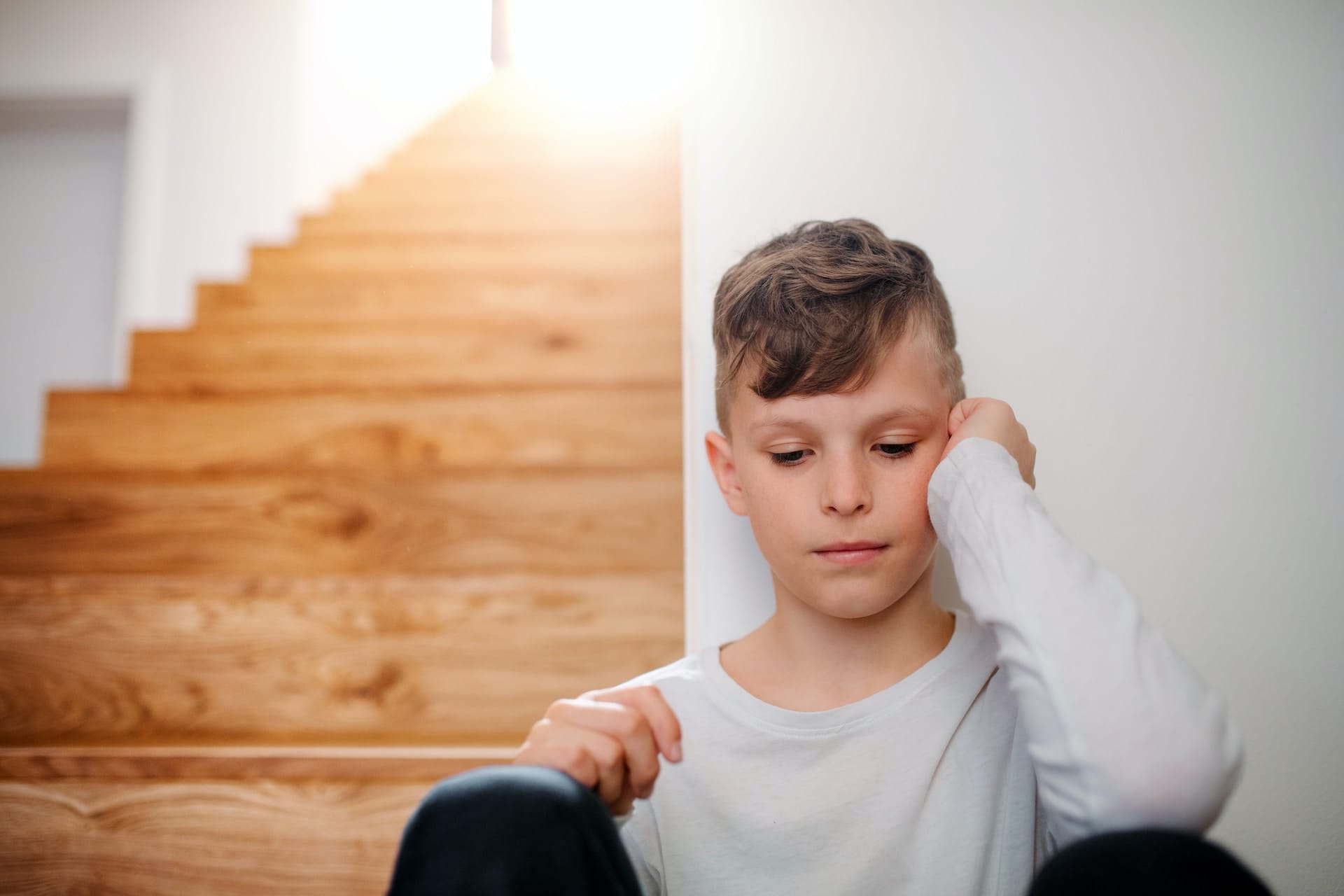 They mustn’t feel forced to reconnect with friends or to engage more socially, as this will likely make them withdraw even more. As much as possible, avoid putting them in the spotlight when talking with them. Gently invite them into activities, and when you talk with them, get down on their level.
Children withdraw to feel safe, and they will only open up if they know you won’t threaten to dismantle their emotional safe space. Often, the more that you can have this conversation come up with a child in a “natural, organic, unforced manner, the more effective it will be. This can take some strategy on your part when bringing it up, but it is worth the effort.
Emotional Outbursts
Many children have temper tantrums and the occasional angry outburst. Children instinctively regulate their emotions differently from adults. However, the one thing both kids and adults have in common is how they hide their most vulnerable emotions behind anger.
Rather than open up about what is disturbing them, they will become irritable, guarded, and angry if pushed. While you need to intervene with their angry outbursts, you must consider what is behind them, particularly if your child was never as irritable or angry before.
This is another conversation that may take some strategizing on your part to bring it up casually and thoughtfully without as many pitfalls and defensiveness on their part (and yours!). A key here is PATIENCE. Make sure you are calm first before proceeding.
It’s clear that they are dysregulated and unhappy, so scolding and punishment will only make things worse. Try to avoid minimizing their emotions by saying things like “You’re fine.” Rather, show them that you see their struggle and still love them. People of any age will only open up when they feel safe and seen. The fastest way to make a safe space for someone is to reduce criticism and make predictable routines.
Talking Negatively About Themselves
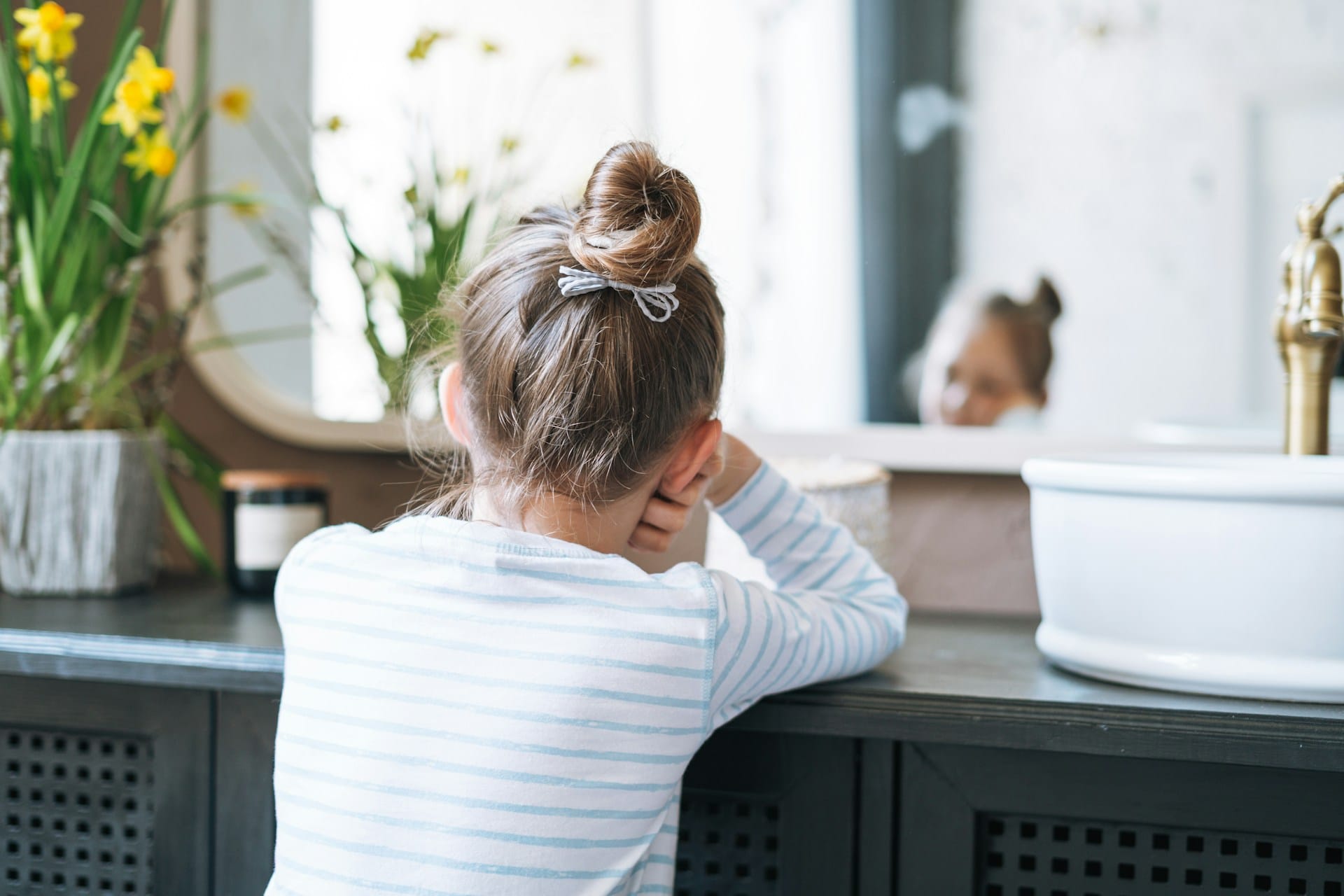 Sometimes you need to listen for signs of depression in children. They sound like “I’ll never be able to do this,” or “I’m a bad kid, and no one wants to be my friend.” These statements are glimpses into their fears and doubts. Unfortunately, if you hear things like this and don’t challenge them, these thoughts become foundational truths for your kid and determine their self-esteem for years to come.
You must intervene gently. Always acknowledge how they feel before you affirm them, or else they will feel dismissed. You can say something like, “You don’t feel good enough for your friends, huh?” before telling them that they are.
They need a model for self-compassion, so show them what it looks like. “I also feel like I’m not good enough sometimes. I remind myself that I am, even if I don’t feel like it.” Then, shine some good vibes on them by saying, “That’s sure not how I see you. Tell me more about how you see yourself.”
Struggles Concentrating
Children spend the majority of their lives in school, and so this is naturally the most common place for signs of depression to appear. Their grades might start sliding, their attendance in class declining, and their teachers might start raising concerns. This is especially a red flag if they had never struggled academically before.
You are not alone as you confront depression in your child. Hopefully, your child’s teacher cares enough to help. Together, you can outline some ways to help your child at home and at school. You might have to reduce the pressure you are putting on them to succeed, and change your tactic to be more hands-on with homework.
The teacher might have ideas on how to help with keeping them organized and focused on the work so that they don’t fall any further behind. Even if you don’t really see it this way, it’s important that you let your child know that while you want them to always do their best academically, there are more important things than making straight A’s. This includes their happiness and well-being.
Their grades can be brought back up, but addressing their mental health struggles should take priority, for now. Most children will know if their parents or caregiver are just trying to hide their disappointment, which can be toxic. Talking about it with them will help clear the air and avoid the unspoken, unaddressed shame that the child will often already be feeling.
Depression doesn’t always show up in a child’s behavior at home and school. More often than not, these signs of depression in children appear with physical symptoms and changes in routine. These are easy to ignore because kids often have physical symptoms of one kind or another, and many kids struggle with ordinary routines.
Changes in Appetite
Some kids really struggle with eating. They might prefer certain foods or eat the same meal repetitively. Most of these habits are ordinary, even when they are annoying. However, when there are big changes in the way your child eats, you should pay attention.
Just like with adults, kids cope with depression by eating more, craving sugar, or going off food entirely. If they are struggling to eat, you can help by offering them their favorite foods more frequently, and if they are overeating, reduce the snacks and junk food as much as possible. If the struggles persist for more than a month, consult a pediatrician to rule out any medical issues.
Changes in Sleep Routine
Many kids struggle with sleep at some point. Whether it’s throwing a tantrum at bedtime or taking a million years to get ready in the morning, kids have a love-hate relationship with sleep. However, count it as a warning sign when they consistently have issues falling asleep or waking up, to the point that it affects their day and drains their energy.
Regardless of what they say or do, children thrive on routine and consistency. You can create a calming bedtime routine by reducing screen time an hour before bed and turning the lights down low in their bedroom. Consider replacing screen time with other activities like reading or drawing before bedtime.
In case it comes up, keep in mind that trading the iPad for the phone does not count as “adjusting screen time.” Adjust the temperature if possible, speak in calming voices, and rehearse nightly routines, such as brushing teeth and saying prayers. These things will not target depression, but they help children get the right amount of sleep by keeping routines, which greatly reduces the effects of depression.
If you suspect that your child is dealing with depression, please reach out. Our reception team can connect you with me or another counselor who can provide support to you as an individual, to your child, or to your family group. Please contact our online reception team or consult our online directory for more information.
“Bored”, Courtesy of Getty Images, Unsplash.com, Unsplash+ License; “Down”, Courtesy of Getty Images, Unsplash.com, Unsplash+ License
 Chris Gilliland: Author
With more than 16 years of experience, I specialize in working with children, teens, and adults who are struggling with stress, depression, anxiety, relationship challenges, or other concerns. Together we will work to gain insights, build resilience,...

- Kate Motaung: CuratorRecent Posts

DISCLAIMER: THIS ARTICLE DOES NOT PROVIDE MEDICAL ADVICE
Articles are intended for informational purposes only and do not constitute medical advice; the content is not intended to be a substitute for professional medical advice, diagnosis, or treatment. All opinions expressed by authors and quoted sources are their own and do not necessarily reflect the opinions of the editors, publishers or editorial boards of Stone Oak Christian Counseling. This website does not recommend or endorse any specific tests, physicians, products, procedures, opinions, or other information that may be mentioned on the Site. Reliance on any information provided by this website is solely at your own risk.